
Virtual Staging vs 3D Rendering: Which One Do You Need?
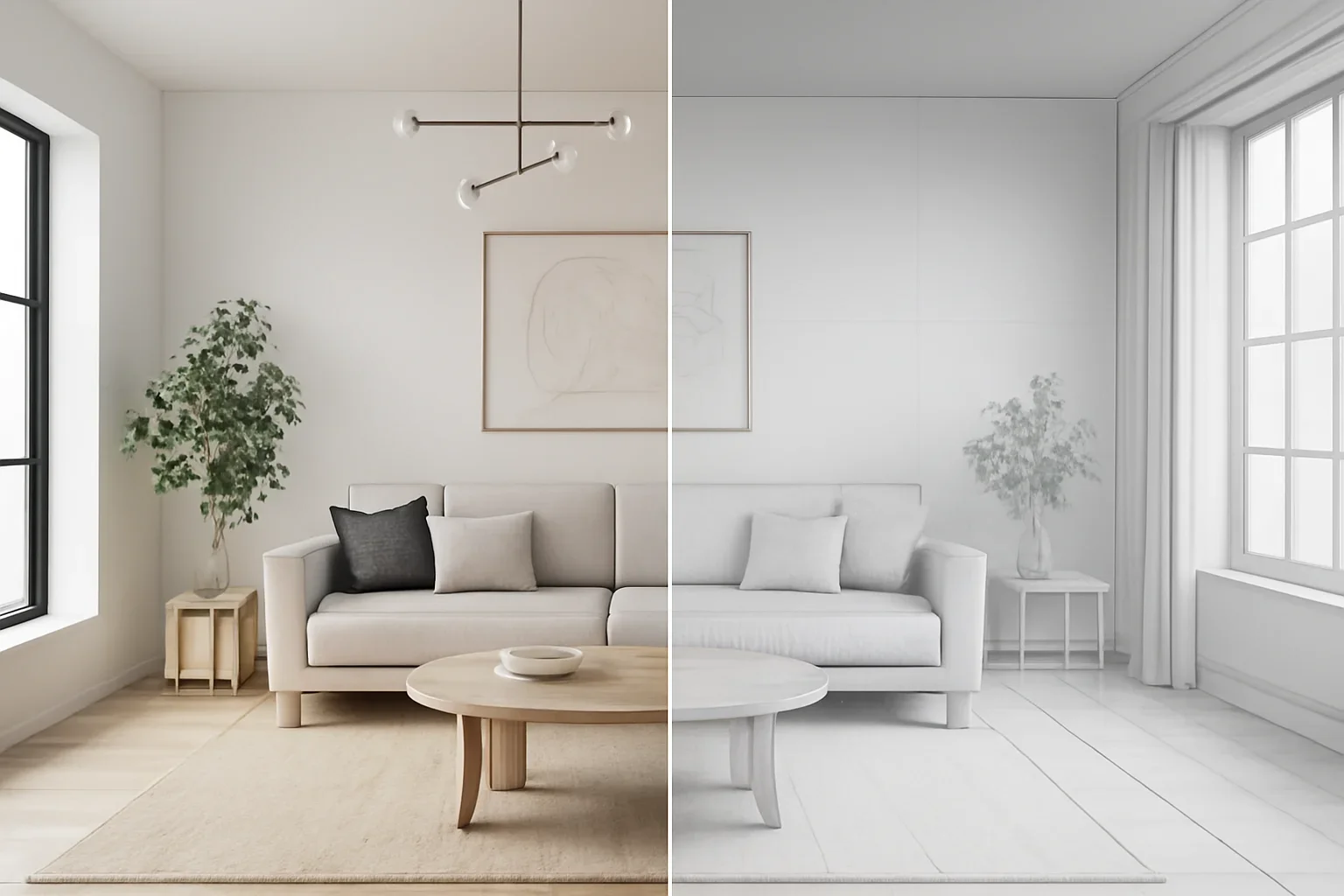
Virtual staging and 3D rendering are often grouped together, but they solve different communication problems inside a property or design project.
Key Takeaways
These ideas are central to the topic and useful in real project planning.
Practical Focus
The goal is to understand when a tool or service helps, not just what it is called.
Design-Led Thinking
Good outcomes still depend on layout, materials, lighting, and how people experience the space.
Clearer Next Steps
The best advice should help you decide what to do next on a real project.
What Matters Most
Virtual staging and 3D rendering are often grouped together, but they solve different communication problems inside a property or design project.
Projects benefit when the design conversation stays grounded in the decision that needs to happen next. That perspective shapes how we look at the topic below.
What virtual staging is best at
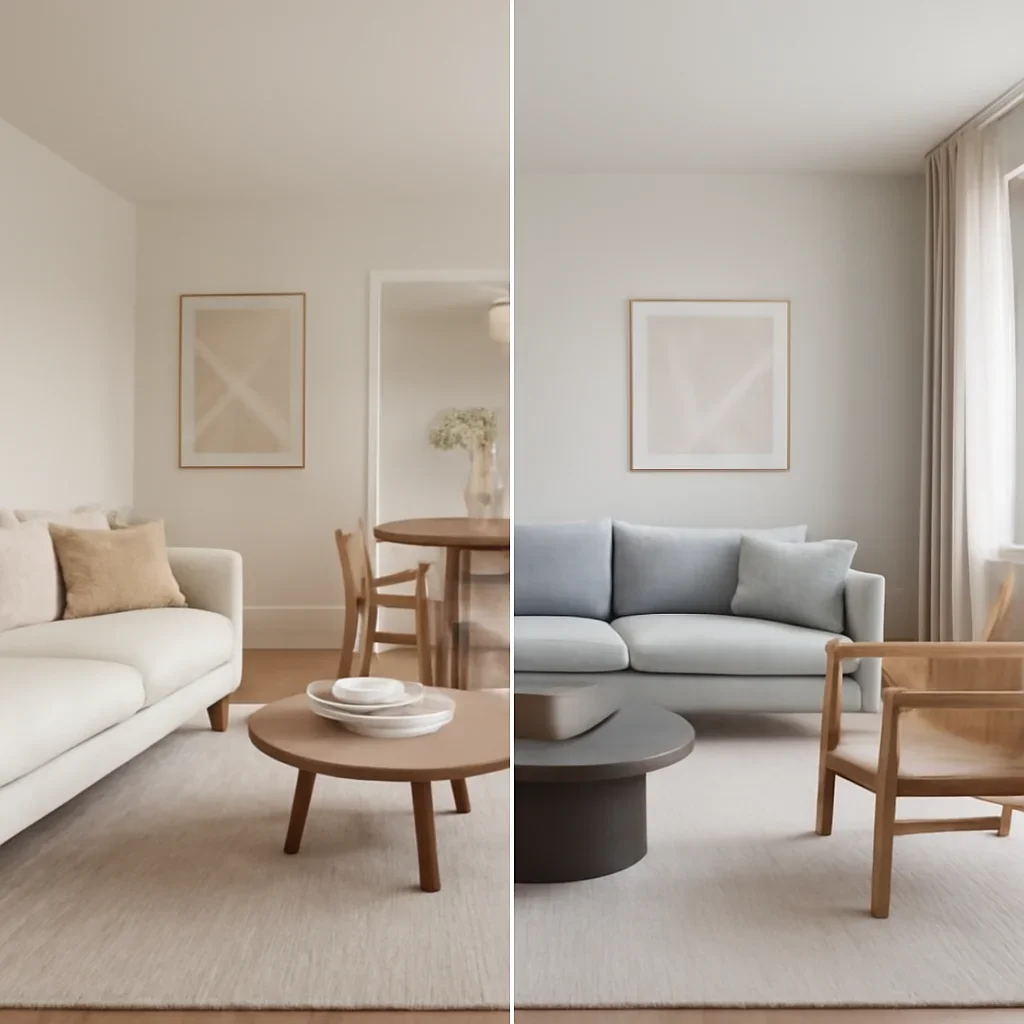
Virtual staging helps empty rooms feel lived in and easier to understand in listing photos or marketing visuals. It focuses on presentation rather than full design development.
This is where the design brief, the intended audience, and the presentation format all start to matter. The stronger those inputs are, the more useful the output tends to be.
What 3D rendering is best at
Rendering is stronger when the space is still being designed or when the project needs a future-state concept. It can show proposed finishes, layouts, built-ins, and room atmosphere before anything exists physically.
This is where the design brief, the intended audience, and the presentation format all start to matter. The stronger those inputs are, the more useful the output tends to be.
How to choose between them
Choose virtual staging when the underlying room is already there and the goal is stronger marketing. Choose rendering when you need to shape or approve the actual design concept itself.
This is where the design brief, the intended audience, and the presentation format all start to matter. The stronger those inputs are, the more useful the output tends to be.
When both can be useful
Some real estate and development projects use staged visuals for immediate marketing while also using full renderings for sales centres, launch material, or investor presentations.
This is where the design brief, the intended audience, and the presentation format all start to matter. The stronger those inputs are, the more useful the output tends to be.
Frequently Asked Questions
Can this topic affect the scope of a project?
Yes. Choices around process, visuals, and tools often change the package, timeline, and the type of deliverable that creates the most value.
Is this only relevant to commercial work?
No. Many of these ideas apply to residential projects as well, especially when visual clarity and remote collaboration matter.
What should I do next if this topic matches my project?
Bring the project details into a consultation or inquiry so the recommendations can be translated into an actual scope.
Need Help Applying This To Your Project?
Share the space type, the stage you are in, and what needs to be decided next. We will recommend the right service or visual tool for the job.